
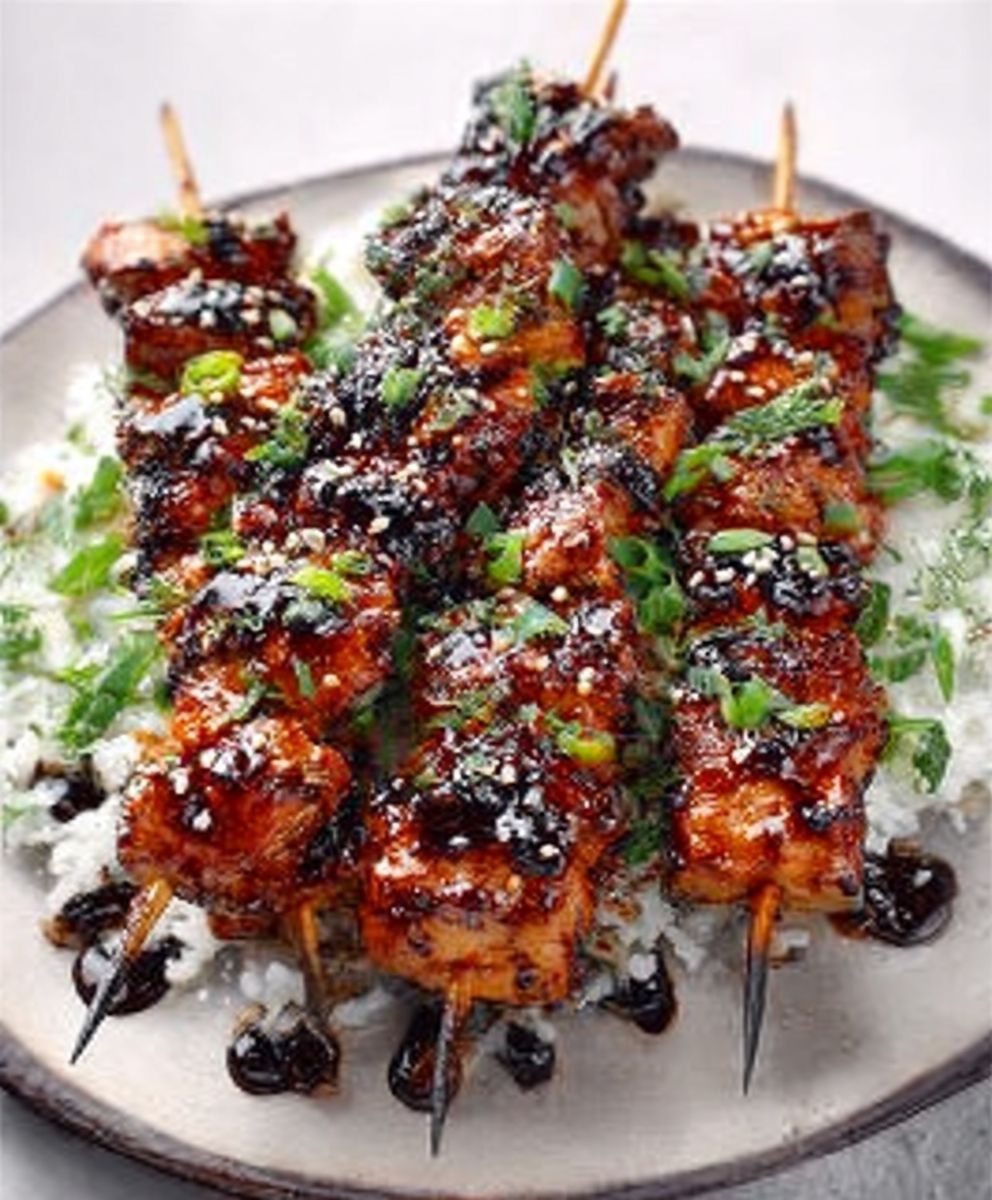

Remember that moment when the smoke hits your face, thick with savory sweetness and the promise of pure comfort? That’s the magic of true street food, and today, we’re diving headfirst into perfectingJapanese Chicken Yakitori Skewers: A Delicious Guide to Perfecting This Classic Dish.
Forget complicated cuisine; Yakitori is simplicity refined. These skewers are sticky, smoky, tender bites of joy, making any backyard barbecue or simple weeknight dinner feel like a genuine culinary festival.
- Offers an addictive balance of sweet, savory, and umami flavor, courtesy of the deeply caramelized soy glaze known as Tare sauce.
- Requires minimal ingredients and straightforward preparation, making it perfect for quick weeknight grilling sessions or entertaining large gatherings.
- Features perfectly charred, glistening bites of tender chicken arranged elegantly on bamboo sticks, providing beautiful visual appeal for guests.
- The dish is easily served with simple white rice, crunchy pickled vegetables, or light salads, adapting perfectly to any desired side dish.
Ingredients for Japanese Chicken Yakitori Skewers: A Delicious Guide to Perfecting This Classic Dish
Here’s what you’ll need to make this delicious dish:
- Boneless, Skinless Chicken ThighsWe highly recommend thighs over breasts because the fat content keeps the meat incredibly juicy and prevents it from drying out on the grill.
- Soy SauceThis forms the essential umami foundation for the Tare glaze; choose a high-quality, reduced-sodium version if preferred.
- Brown SugarWe use light brown sugar to provide the necessary sweetness and help the glaze caramelize beautifully and quickly under high heat.
- Rice VinegarA splash of rice vinegar balances the intense sweetness and savory depth of the sauce, providing a pleasant tang.
- Garlic and GingerFreshly minced aromatic components that add warmth and complexity to the simple yet effective basting sauce.
- Water or Chicken BrothUsed to thin the Tare sauce to the right consistency for reduction and easy basting during the cooking process.
- Bamboo SkewersMake sure these are soaked in water for at least 30 minutes before use to prevent them from catching fire on the grill.
The full ingredients list, including measurements, is provided in the recipe card directly below.
How to Make Japanese Chicken Yakitori Skewers: A Delicious Guide to Perfecting This Classic Dish
Follow these simple steps to prepare this delicious dish:
Step 1: Prep the Chicken and Skewers
Start by soaking your bamboo skewers completely in water for at least half an hour; forgetting this step is the fastest way to set your dinner on fire, which is exciting but generally unappetizing. While the skewers hydrate, cut the chicken thighs into uniform, bite-sized cubes, approximately 1 inch in size, ensuring even cooking. Season the chicken very lightly with salt and freshly cracked black pepper.
Step 2: Construct the Tare Glaze
In a small saucepan, combine the soy sauce, brown sugar, rice vinegar, minced garlic, and grated ginger along with a half cup of water or chicken broth. Bring the mixture to a gentle boil over medium heat, then immediately reduce the heat to a low simmer. Allow the sauce to simmer for about 8 to 10 minutes until it slightly thickens and coats the back of a spoon. Once thickened, remove the sauce from the heat and divide it into two portions: one for basting and one for dipping/serving.
Step 3: Thread the Chicken
Carefully thread four to five pieces of prepared chicken onto each soaked bamboo skewer. Try to thread the chicken tightly, pushing the pieces close together without squeezing them too much. This close arrangement helps keep the meat moist while creating beautiful charring opportunities during grilling. Keep all the skewers on a tray lined with parchment paper while you preheat your cooking surface.
Step 4: Grill the Skewers
Preheat your grill (or broiler) to medium-high heat. If using a grill, ensure the grates are cleaned and oiled to prevent sticking. Place the skewers directly on the heat and cook for about 3 minutes per side. After the first flip, start basting the skewers generously with the reserved basting portion of the Tare glaze. Continue flipping and basting every 2 minutes until the chicken is cooked through and reaches an internal temperature of 165°F (74°C), which usually takes about 10 to 12 minutes total.
Step 5: Final Glazing and Serving
During the final minute of cooking, baste the skewers one last time, allowing the glaze to become beautifully caramelized and sticky. Remove the skewers from the heat immediately after the internal temperature is reached. Transfer to plates and drizzle with the separate, unused portion of the Tare sauce for the perfect finishing touch and an extra burst of flavor.
The Culinary Secrets of Perfecting Yakitori at Home
Achieving restaurant-quality Yakitori involves more than just skewering chicken and throwing it on the grill. It demands attention to detail, especially regarding the sauce and the cooking technique. Many people rush the process, resulting in dry chicken or a watery glaze, but with a few insider tips, you can elevate this dish from simple street food to a masterpiece.
The Magic of Tare Sauce: Your Secret Weapon
Tare is the heart and soul of traditional Yakitori, and unlike a typical barbecue sauce, it’s designed to be simple, intense, and extremely sticky. The key to a brilliant Tare sauce lies in the slow reduction process. You aren’t just heating ingredients; you are concentrating flavors. If your sauce is too thin, it will drip off the chicken before it has a chance to caramelize, leaving you with less flavor and a sticky mess below the grates. Adding that dash of rice vinegar cuts through the richness, preventing the sauce from tasting overly heavy or overwhelmingly sweet. Always remember to use separate portions of the sauce for hygiene—one for basting the raw meat, and one reserved strictly for serving and dipping.
Choosing the Right Cut and Preparation
While you certainly could use chicken breast, chicken thighs are the undisputed champion for any grilled skewer recipe. The higher fat content ensures the meat stays tender and succulent even under the intense direct heat of a grill. When cutting the chicken, aim for uniform pieces; this is crucial because unevenly sized chunks will cook at different rates, leading to some pieces drying out before others finish. When threading, folding the chicken pieces slightly before piercing them with the skewer creates more surface area for the sauce to cling to, maximizing that incredible sticky glaze. Additionally, making sure the bamboo skewers are submerged in water long enough prevents disappointing flare-ups.
Grilling vs. Broiling: Mastering the Heat
Authentic Yakitori uses binchōtan charcoal, which burns clean and provides immense heat without imparting overwhelming smoky flavor. Since most home cooks don’t have access to specialized charcoal, you have excellent alternatives. For the best flavor, a gas grill set to medium-high is ideal, allowing you to control hot spots easily. If the weather is uncooperative, the oven broiler is your second-best friend. Position the skewers on a broiler pan roughly 6 inches away from the heat element. The broiler replicates the high, direct heat needed to caramelize the sugars in the Tare sauce rapidly. Whether grilling or broiling, heat management is essential—start cooking the chicken halfway before you even introduce the sauce; this prevents the glaze from burning before the chicken fully cooks through.
Serving Suggestions and Pairing
These flavorful chicken skewers pair perfectly with simple, clean side dishes that complement the rich, savory flavor profile. A steaming bowl of plain white rice (sushi rice works beautifully) is traditional and absorbs any extra sauce wonderfully. For a refreshing contrast, serve Yakitori alongside a simple cucumber salad dressed with sesame oil and a touch of salt. Another fantastic option is Japanese-style pickled vegetables, such as red ginger or daikon radish, as their acidity provides a bright counterpoint to the sweetness of the glaze. Many people also enjoy a sprinkle of Togarashi (Japanese seven-spice blend) over the finished skewers for an added layer of complexity and a gentle kick of chili heat.
Frequently Asked Questions About Japanese Chicken Yakitori Skewers
How far in advance can I make the Tare sauce?
You can prepare the Tare sauce up to one week ahead of time. Store it in an airtight container in the refrigerator, and then simply reheat it gently on the stovetop before you plan to use it for basting and serving.
Can I freeze leftover Yakitori?
While fresh Yakitori is always best, you can freeze fully cooked, glazed chicken skewers. Wrap them tightly in plastic wrap and foil. To reheat, thaw overnight in the refrigerator and then warm them gently in a low oven (300°F or 150°C) until heated through, avoiding the microwave, which tends to make the chicken tough.
What if I don’t have a grill? Can I use an oven?
Absolutely! The oven broiler is a perfect substitute. Preheat your broiler and place the skewers on a foil-lined baking sheet on the top rack. Flip and baste frequently, keeping a close eye on them to ensure the sugars don’t burn, which can happen quickly under high heat.
Are there other meats I can use for this recipe?
Yes, while chicken is traditional, this fantastic Tare glaze works beautifully with other proteins. You can use cubes of sirloin beef, turkey tenderloin, or even firm tofu for a vegetarian option. Just ensure the cooking times are adjusted appropriately for the different types of meat you select.
Wrapping Up Your Yakitori Adventure
There you have it—your comprehensive guide to mastering the iconic Japanese grilled chicken skewers. This recipe proves that the most delicious foods are often the ones rooted in simplicity and great ingredients. By following these techniques, especially the creation of that deep, glossy Tare sauce, you’ll impress everyone at your table. So fire up that grill, pour yourself a glass of iced green tea, and enjoy the fruits of your labor. These savory, sweet, and perfectly charred chicken pieces are truly worth every single moment of preparation.
I remember the first time I tried authentic yakitori in Tokyo. It was a tiny stall tucked away down a side street, the smoke billowing out smelling like a dream. Before that moment, I thought grilled chicken was just… grilled chicken. I was wrong. The secret to those perfectly smoky, sticky, savory, and slightly sweet skewers wasn’t just the fire; it was the dedication to simplicity. It’s a flavor profile that transports you instantly.
Now, years later and hundreds of attempts wiser, I can confidently tell you that replicating that street-food magic at home is entirely possible, provided you have the right technique and, crucially, the right sauce. Forget those dry, flavorless grilled chicken cubes you sometimes find; we are aiming for juicy perfection with these chicken skewers. The true beauty of the Japanese Chicken Yakitori Skewers lies in the preparation, specifically choosing the right cut and mastering the Tare—that glorious glaze that makes your tongue sing.
We’re not using just any chicken breast here; we need something that can handle the heat and retain moisture. Thigh meat is the absolute champion for this recipe because of its higher fat content, which caramelizes beautifully without drying out. Mastering this classic dish requires patience, primarily during the basting phase, but the result is a rewarding, flavorful meal that brings the best of Japanese street food right into your kitchen. Embrace the smoke, trust the Tare, and prepare for endless compliments on your perfectly cooked skewers.
The Anatomy of the Perfect Skewer
Selecting the Star Ingredient
Always opt for boneless, skin-on chicken thighs. The skin is non-negotiable! When rendered over high heat, the fat crispifies, adding an unparalleled layer of flavor and texture that truly defines traditional yakitori. Cut the chicken into uniform, bite-sized cubes—about one inch square. Uniformity is key here for incredibly even cooking. If you have any small, scrappy bits left over, skewer those too; they’re often the best and most charred pieces. Remember, these small details differentiate merely grilled chicken from authentic Japanese Chicken Yakitori Skewers.
Crafting the Legendary Tare Sauce
The Tare (pronounced “tah-reh”) is the heart and soul of this Classic Dish. It’s a sticky, complex, umami glaze that requires just four core ingredients. Skip the bottled stuff—making this fresh transforms your yakitori experience. We rely on high-quality soy sauce, a sweet non-alcoholic rice vinegar reduction (to substitute for apple juice with sugar), brown sugar, and a touch of fresh ginger. Simmering these ingredients down slowly creates a deeply concentrated syrup that is addictive. This sauce isn’t just a marinade; it’s a basting liquid applied multiple times during the cooking process to build those iconic sticky layers.
Ingredients for Japanese Chicken Yakitori Skewers
Gathering high-quality ingredients is the first step toward achieving professional-level results in your own backyard.
- 1.5 lbs boneless, skin-on chicken thighs, cut into 1-inch cubes
- 1 small bunch of scallions (white and green parts), cut into 1-inch pieces (optional, for Negima style)
- 24 bamboo skewers, soaked in water for at least 30 minutes
For the Tare Sauce
This sauce is highly forgiving, but using quality low-sodium soy sauce will provide the best foundation for flavor.
- 1/2 cup soy sauce (low sodium preferred)
- 1/4 cup non-alcoholic rice vinegar reduction (or sweet cooking sauce substitute)
- 1/4 cup water or chicken broth
- 2 tablespoons packed light brown sugar
- 1 teaspoon freshly grated ginger
- 1 clove garlic, minced (optional)
Step-by-Step Guide to Skewering and Grilling
Preparing the Tare
First, tackle the Tare. Combine all Tare ingredients in a small saucepan. Bring the mixture to a simmer over medium heat, then reduce the heat to low. Let it simmer gently for 15 to 20 minutes, or until the sauce has thickened slightly and coats the back of a spoon. Remember, it will thicken significantly more as it cools. Remove from heat and set aside, reserving about 2 tablespoons for serving later as a final dip or drizzle.
Assembling the Skewers
Next, assemble the skewers. If you are making Negima style, alternate pieces of chicken and scallion pieces. If you are just using chicken, thread the cubes onto the pre-soaked bamboo skewers, making sure they are snug but not overly packed. Leaving small gaps ensures the heat can circulate around the meat, promoting even cooking and maximum char. Skewering the pieces properly ensures they won’t spin when you try to flip them on the grill, which is essential for a clean, professional finish and better handling.
Choosing Your Heat Source
While traditionalists swear by binchōtan charcoal—a Japanese white charcoal known for burning cleanly and consistently—it’s entirely acceptable, and much easier, to use a gas grill or even a screaming hot cast iron skillet indoors. If using gas, ensure you scrape the grates perfectly clean before starting; residue causes smoke and undesirable flavors. If you’re restricted to the stovetop, a grill pan works wonders, but ensure you manage the heat carefully to prevent scorching the sugar-rich glaze before the chicken finishes cooking.
The key regardless of your heat source is achieving high, focused heat that allows for quick cooking and proper caramelization of the Tare without drying out the chicken. Aim to cook the chicken quickly, turning frequently, ensuring those beautiful char marks develop evenly. This quick cooking process is why those small, uniform pieces of chicken are so important; they cook before they lose all their luscious internal moisture, resulting in truly tender skewers.
Perfecting the Cooking Process

Grill these Japanese Chicken Yakitori Skewers over medium-high heat, positioning the coals slightly offset if using charcoal. The cooking sequence is crucial: first, sear the chicken lightly for about two minutes per side until the skin renders slightly, then begin the multiple basting process while continuously rotating the skewers for uniform caramelization.
Add Your Touch
Customize your skewers by swapping chicken for beef sirloin or even cubes of firm tofu. For an extra kick, whisk in a splash of rice vinegar and a pinch of chili flake to the reserved finishing Tare. Alternatively, add sesame seeds and shichimi togarashi after grilling for added texture and spice, elevating the overall profile of your grilled dish.
Storing & Reheating
Store leftover skewers in an airtight container in the refrigerator for up to three days. To reheat, brush the cold skewers lightly with fresh Tare and warm them quickly on a hot skillet or under a broiler for 3 to 4 minutes. Avoid microwaving, as this tends to dry out the meat and ruin the fantastic texture we achieved.
Expert Tips for Ultimate Yakitori Success
My kitchen smells like a yakitori joint every time I make these skewers, and the secret lies in a few crucial details that elevate the results from ‘good’ to ‘great.’
- Always soak your bamboo skewers for at least 30 minutes before grilling; this prevents them from turning into miniature, self-immolating torches on the barbecue.
- Use the “double-baste” technique: baste the skewers lightly once they start turning opaque, then again just before they are fully cooked for maximum stickiness and shine.
- Don’t rush the Tare reduction; a slow, steady simmer allows the flavors to deepen and concentrate, achieving that signature syrupy consistency without burning the sugars.
I once made a huge batch of these Japanese Chicken Yakitori Skewers for a friend’s graduation party, and the immediate consensus was that they were the first thing to disappear—even faster than the elaborate cake. It confirmed that simple, flawless flavor always wins.
Pairing and Presentation
These savory chicken yakitori are fantastic on their own, but they truly shine when paired with complementary sides. Think light, vinegary salads, simple steamed rice, or maybe a bowl of crisp sunomono (cucumber salad) to cut through the richness of the glaze. A chilled mug of green tea or a fizzy homemade ginger non-alcoholic beer makes for a perfect beverage pairing, contrasting nicely with the smoky sweet notes of the meat.
For presentation, serve the skewers straight from the grill piled high on a platter. Dust them with a light sprinkle of flaky sea salt or a blend of toasted sesame seeds to enhance their visual appeal and textural complexity. The rich, deep brown caramelization achieved from proper basting is enough of a decoration on its own, signaling the deliciousness awaiting your guests.
Troubleshooting Common Yakitori Issues
Why is my chicken drying out?
Chicken drying out is almost always caused by one of two factors: either you used skinless, lean breast meat, or the heat was too low, forcing the chicken to cook for too long before the glaze caramelized. Ensure you are using skin-on thigh meat, and maintain a consistent medium-high heat to cook the meat quickly, sealing in those precious juices.
My Tare sauce is too runny or too thick. How do I fix it?
If your Tare sauce is too runny after 20 minutes of simmering, simply continue simmering it on low heat until it reduces further. If it becomes too thick or begins to resemble hard caramel upon cooling, whisk in a tablespoon of water or chicken broth at a time until it reaches a brushable, syrupy consistency. Never panic about the sauce; it is always adjustable.
Frequently Asked Questions About Yakitori
What is the difference between yakitori and teriyaki?
While both yakitori and teriyaki use soy sauce and sweet elements, they are distinct techniques. Yakitori specifically refers to grilled chicken skewers cooked over high heat and basted multiple times with Tare during the cooking process. Teriyaki is a cooking method where the meat is broiled or pan-fried, and the glaze is usually applied at the end or used as a deep marinade, rather than a continuous basting sauce.
How do I prevent the yakitori sauce from burning on the grill?
The high sugar content in the Tare makes it prone to burning. To prevent this, never baste the skewers immediately at the start. Only begin basting during the last 3 to 4 minutes of cooking, and use multiple light coats rather than one heavy application. Keep the heat focused but avoid direct, scorching flames. If flare-ups occur, move the skewers away from the immediate heat source temporarily to cool down.
Can I prepare the chicken ahead of time?
Yes, you can certainly prepare the chicken ahead. Cut and skewer the chicken pieces up to 24 hours in advance and store them tightly covered in the refrigerator. However, do not marinate the chicken in the Tare sauce itself, as the salt in the soy sauce will begin to draw moisture out of the meat, leading to a tougher texture when cooked. The Tare is specifically designed to be a basting glaze, not a marinade.
Is it better to use skinless or skin-on chicken for yakitori?
For the most traditional and flavorful Japanese Chicken Yakitori Skewers, skin-on chicken thighs are highly recommended. The skin renders fat during grilling, keeping the meat incredibly moist and adding a crucial layer of crispy, smoky texture that is characteristic of this classic dish. Skinless chicken tends to dry out much faster over the intense heat required for proper caramelization and glazing.
Conclusion for Japanese Chicken Yakitori Skewers: A Delicious Guide to Perfecting This Classic Dish
Mastering Japanese Chicken Yakitori Skewers: A Delicious Guide to Perfecting This Classic Dish doesn’t require a ticket to Tokyo; it simply demands attention to detail. We learned that the secret lies not just in the chicken, but in the harmonious balance of the deep, umami-rich Tare sauce and swift, high-heat grilling. Whether you use a charcoal grill for maximum smoke or a screaming hot oven, ensuring proper skewer placement and multiple, patient brushings of the glaze guarantees success. Embrace the process, fire up the grill, and transform humble chicken thigh into truly spectacular, caramelized skewers that will impress every single time.
FAQs
What is the difference between authentic Yakitori and regular grilled chicken?
Authentic Japanese chicken yakitori skewers focus on simplicity, high heat, and the signature Tare glaze. Unlike typical BBQ chicken which relies on heavy marinades and rubs, yakitori uses quality cuts of chicken, often thigh meat, meticulously skewered and grilled over charcoal (or a scorching grill) very quickly. The magic truly lies in the Tare, a sweet and savory reduction of soy sauce, sugar, and aromatics, which is brushed on repeatedly during the final cooking stages. This repeated dipping and searing creates that intensely flavorful, glossy, caramelized crust that defines this classic street food.
Why are my Japanese Chicken Yakitori Skewers burning before they cook through?
If your delectable chicken skewers are crisping into charcoal bricks too quickly, the heat is likely too high, or you are placing the skewers directly over the hottest spot on the grill. Yakitori requires intense heat for charring but needs careful positioning. Always create a two-zone heat system on your grill: a scorching hot section for searing and a medium-heat zone for cooking through and glazing. Dip your Japanese chicken yakitori skewers in the Tare multiple times, but always pull them back to the cooler zone immediately after glazing to prevent the sugary sauce from igniting.
Can I prepare the chicken ahead of time, and how long should I soak the skewers?
Absolutely, prepping ahead saves sanity! You can cube and skewer the chicken thigh meat up to 12 hours in advance. Store the skewers tightly covered in the refrigerator until you are ready to hit the grill. Regarding the skewers, wooden or bamboo skewers require a minimum soak of 30 minutes in water before use. This crucial step prevents them from catching fire when exposed to the blistering heat of the grill, allowing you to focus on achieving that perfect, smoky char on your chicken.
What non-traditional ingredients work well when making chicken yakitori?
While the classic Tare sauce remains king, you can experiment with the cuts and accompanying vegetables. Try alternating the cubed chicken thigh with sliced scallions, thin disks of shiitake mushrooms, or bell peppers. For a richer flavor profile, some chefs thread small cubes of beef or lamb shoulder alongside the chicken. Remember, when diversifying your yakitori experience, keep the cuts uniform in size so everything cooks evenly across the blazing hot grill grates, ensuring every bite is moist and flavorful.



Leave a Comment