
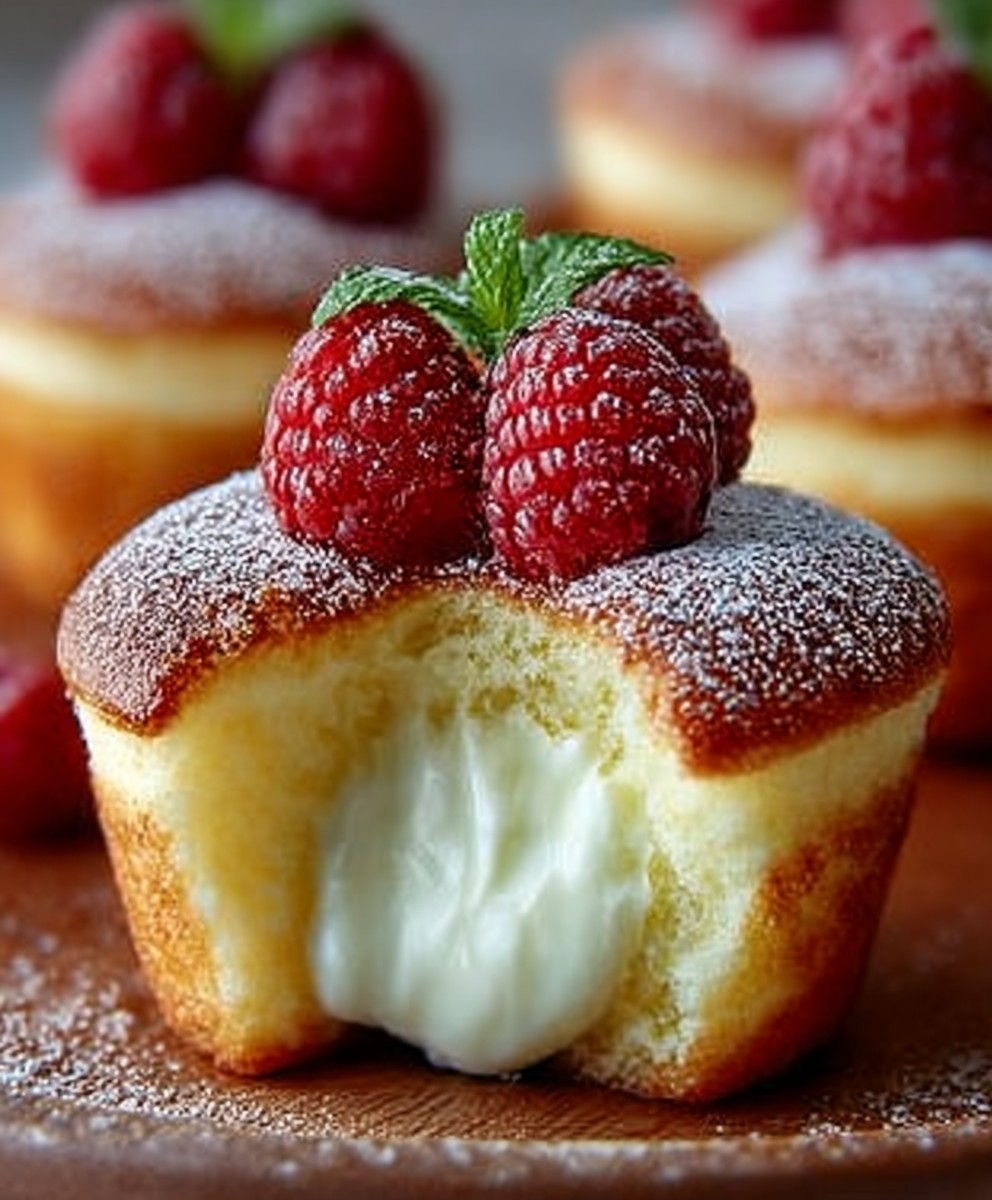

When you hear “cheesecake,” you usually picture a dense, brick-like dessert demanding a nap afterward. Forget that heavy drama. We are diving headfirst into the ethereal world of theJapanese Cotton Cheesecake Cupcakes: Light and Fluffy Recipe for Dessert Lovers. This dessert feels like eating a sweet, creamy cloud.
My first attempt involved a disastrous kitchen fire alarm situation, but after perfecting this recipe, I guarantee pure, jiggly, melt-in-your-mouth magic awaits you without the emergency services involvement.
- Texture: Achieves an incredibly unique, jiggly, and impossibly soft texture that elevates the standard dessert experience entirely.
- Flavor: Offers a delicate balance of creamy tanginess and subtle sweetness, perfect for pairing with fresh berries or tea.
- Visual Appeal: Baked perfectly in individual cupcake liners, these tiny towers of fluff look elegant and highly professional for any gathering.
- Versatility: Easily adaptable for different flavorings like matcha powder or citrus zest, offering endless possibilities for creative bakers.
Why the Japanese Cotton Cheesecake is the Cloud We All Deserve
Let’s be honest, American cheesecake is fantastic, but it carries the gravitational pull of a small moon. You eat one slice, and suddenly, you are planning your hibernation schedule. Japanese cheesecake, on the other hand, is the sophisticated cousin who floats into the room, barely leaving a footprint. It is the dessert equivalent of a gentle whisper, not a commanding shout. And when you condense that magnificent cloud into a perfectly portioned cupcake? That, my friends, is pure genius.
I remember the first time I tasted this dessert. I was convinced someone had replaced the flour with magic spells and the cream cheese with fairy dust. It defied logic. How could something so rich taste so wonderfully light? The secret, as many seasoned bakers know, lies not just in the ingredients, but in the technique—specifically, mastering the art of the meringue and the indispensable water bath. We are aiming for a cupcake that wobbles slightly when you tap it and dissolves the second it touches your tongue. This is not just baking; it is an architectural project where the structural material is air.
These individual cupcake versions simplify the process of serving and prevent that common tragedy where the full-sized cake cracks dramatically upon cooling. They cool faster, serve cleaner, and look absolutely adorable stacked high on a platter. They are the perfect dessert solution for dinner parties, brunches, or simply when you need a personal, perfectly portioned slice of heaven without the commitment of a whole cake. Prepare yourself; thisJapanese Cotton Cheesecake Cupcakes: Light and Fluffy Recipe for Dessert Loverswill redefine your relationship with dessert.
Decoding the Fluff Factor: Mastering the Meringue
The meringue is the backbone of this recipe, granting it that signature height and ethereal lightness. If you mess up the meringue, you end up with a dense, sad little puck instead of a joyous, jiggly cloud. The key is stable, stiff peaks. You must ensure your mixing bowl is completely grease-free before whipping the egg whites. Even a tiny rindfleisch-speck of fat can prevent the egg whites from aerating correctly. Use stainless steel or glass bowls, never plastic, as plastic can harbor invisible grease residue.
When adding sugar to the egg whites, incorporate it slowly, a tablespoon at a time, once the egg whites have already started forming soft peaks. This gradual addition ensures the sugar fully dissolves, stabilizing the protein structure. Whip until you achieve stiff, glossy peaks. When you lift the whisk, the peaks should stand upright without folding over, shining slightly under the kitchen light. Once the meringue is ready, the next crucial step is folding. This process requires patience and a gentle touch, integrating the air without deflating the carefully built structure. Think of it less as mixing and more as gracefully persuading the mixtures to become one cohesive, beautiful batter.
Ingredients for Japanese Cotton Cheesecake Cupcakes: Light and Fluffy Recipe for Dessert Lovers
Here’s what you’ll need to make this delicious dish:
- Cream CheeseUse full-fat, brick-style cream cheese softened to room temperature for smooth integration into the batter base.
- Unsalted ButterProvides necessary richness and flavor; ensure it is also at room temperature before you start blending.
- Whole MilkHelps to thin the batter slightly and adds crucial moisture, contributing to the ultimate soft texture.
- Granulated SugarNeeded for both the batter and stabilizing the meringue, where it prevents collapse and adds necessary sweetness.
- Large EggsSeparate the yolks and whites precisely, as the yolks provide richness and the whites are essential for creating the lift.
- Cake FlourUsing cake flour is essential because its low protein content yields a tender, light crumb structure, preventing tough cupcakes.
- Lemon Juice or White VinegarA small amount added to the egg whites helps stabilize the foam, ensuring those beautiful stiff peaks form reliably.
The full ingredients list, including measurements, is provided in the recipe card directly below.
How to Make Japanese Cotton Cheesecake Cupcakes: Light and Fluffy Recipe for Dessert Lovers
Follow these simple steps to prepare this delicious dish:
- Prepare the Equipment and BasePreheat your oven to 325°F (160°C). Arrange a muffin pan with paper liners. Set up a large roasting pan on the lower rack of the oven; you will place the muffin pan inside this roasting pan for the water bath.
- Create the Cream BaseCombine the softened cream cheese, butter, and milk in a heatproof bowl set over a simmering pot of water (a double boiler setup). Stir constantly until the mixture is smooth and completely melted. Remove from heat, then whisk in the egg yolks and a small amount of sugar until fully incorporated. Sift the cake flour over the mixture and fold it in until just combined, ensuring you avoid overmixing.
- Whip the MeringueIn a separate, very clean bowl, beat the egg whites with a dash of lemon juice until frothy. Gradually add the remaining sugar, continuing to beat until stiff, glossy peaks form. Remember, the peaks should hold their shape when you lift the whisk.
- Fold and Fill the BatterGently fold one-third of the meringue into the cream cheese base to lighten the mixture. Once incorporated, gently fold in the remaining meringue in two additions, using a sweeping motion from the bottom to the top of the bowl until no streaks remain. Do not stir vigorously, as you will lose the crucial air necessary for fluffiness.
- Bake with a Water BathCarefully pour or spoon the completed batter into the prepared cupcake liners, filling them about three-quarters full. Place the muffin pan into the large roasting pan in the oven, and pour hot water into the roasting pan until it reaches about one inch up the sides of the muffin pan. Bake for 30 minutes at 325°F (160°C), then reduce the heat to 300°F (150°C) and bake for another 20 to 25 minutes, or until the cupcakes are puffed and golden brown.
- Cooling and SettingTurn the oven off after baking and crack the oven door slightly, allowing the cupcakes to cool gradually inside the oven for 30 minutes. This essential step prevents sudden temperature changes that cause the dreaded sinkhole. Remove the cupcakes, let them cool completely on a wire rack, and then chill them in the refrigerator for at least 4 hours before serving.
Transfer to plates and drizzle with melted apricot glaze or simply dust with powdered sugar for the perfect finishing touch.
Troubleshooting and Tips for Perfect Cupcakes
Achieving the perfect jiggle requires precision, but don’t panic if your first batch isn’t Instagram-ready. The most common issues revolve around texture and structure. If your cupcakes are rubbery, you likely overmixed the batter once the flour was added, developing too much gluten. If they are dense and flat, the meringue was either not whipped stiff enough or you deflated it during the folding process.
Always trust the water bath. The steam from the hot water bath gently and evenly heats the batter, preventing the outer edges from setting too quickly and allowing the center to rise slowly and uniformly. If you skip the water bath, the edges will dry out and crack severely, resulting in a tough outer crust and a very uneven rise. Additionally, always use room-temperature ingredients. Cold cream cheese or eggs will require excessive mixing to blend, introducing the risk of overworking the flour.
For the best results, use a digital scale to measure your ingredients, especially the flour and sugar. Volume measurements can be inconsistent, and precise measurements are absolutely non-negotiable for delicate baking creations like these Japanese cotton cheesecake cupcakes. Remember the golden rule: patience during cooling is your greatest ally.
Flavor Variations and Serving Suggestions
While the classic flavor is unbeatable, these light and fluffy cheesecakes adapt beautifully to subtle flavor modifications. For a sophisticated twist, incorporate 1 teaspoon of high-quality vanilla bean paste into the cream cheese mixture instead of standard extract. If you are a fan of green tea, substitute 2 tablespoons of cake flour with 2 tablespoons of finely sifted matcha powder for gorgeous color and an earthy flavor profile.
Citrus works wonderfully here. You can add the finely grated zest of one lemon or lime to the cream cheese base, enhancing the natural tanginess. Alternatively, for chocolate lovers, add 1/4 cup of high-quality unsweetened cocoa powder along with the cake flour for a rich, deep chocolate version. If you experiment with powdered additions, ensure you adjust the overall liquid content slightly if the batter seems too thick.
These cupcakes shine when served simply. A light dusting of powdered sugar or a fresh berry compote is often all they need. If you desire a slightly glossy top, prepare a quick apricot glaze by melting apricot jam with a tablespoon of water, then brushing it lightly over the cooled cupcakes. Serve them chilled alongside a cup of hot green tea or strong black coffee for the ultimate dessert experience.
Frequently Asked Questions About Baking Japanese Cotton Cheesecake
How long can I store the Japanese Cotton Cheesecake Cupcakes?
You can store these delicate cheesecake cupcakes in an airtight container in the refrigerator for up to 4 days. Always ensure they are completely cooled before storing them to prevent condensation from making the paper liners soggy.
Can I substitute all-purpose flour for cake flour?
While you technically can, it is strongly discouraged. All-purpose flour has a higher protein content, which will result in a tougher, denser cupcake that lacks the signature “cotton” texture central to this recipe. If necessary, you can make a substitute by removing 2 tablespoons of all-purpose flour per cup and replacing it with 2 tablespoons of cornstarch.
Why did my cheesecake crack on top?
Cracking usually happens due to one of two reasons: either the oven temperature was too high, causing the exterior to set too fast, or the cooling process was too rapid. Always use the water bath method and adhere strictly to the gradual cooling process by leaving them in the turned-off oven.
Can these cupcakes be frozen?
Yes, they freeze surprisingly well! Wrap each fully cooled cupcake individually in plastic wrap, then place them in a freezer-safe bag or container. They will last for up to one month. Thaw them overnight in the refrigerator before serving to maintain the best possible texture.
The Quest for the Cloud-Like Treat
You know that moment when you bite into a dessert and it feels like a soft, sweet cloud? That’s the magic of Japanese cheesecake. For years, I chased that elusive jiggly perfection, convinced that it required the skills of a culinary wizard trained on the slopes of Mount Fuji. My early attempts resulted in dense, sad hockey pucks instead of fluffy dreams. Then, I realized the secret wasn’t magic; it was precision, patience, and embracing the delicate dance of the water bath. This recipe takes that ethereal texture and shrinks it down into adorable, perfectly portioned single servings. Say goodbye to struggling with the massive, often crack-prone full cake and hello to the wonderful world ofJapanese Cotton Cheesecake Cupcakes: Light and Fluffy Recipe for Dessert Lovers.
Why Cotton Cheesecake is Different
Unlike its denser New York cousin, Japanese cotton cheesecake relies on a technique similar to a soufflé, requiring careful separation and whipping of eggs. We create a rich, creamy base, often called the cream cheese roux, and then fold in stiff, glossy meringue. This meticulous folding incorporates massive amounts of air, resulting in that signature wobble and melt-in-your-mouth lightness. Making these in cupcake form solves two major problems: portion control (though who needs control around these?) and drastically reduces the chances of those heartbreaking cracks that often appear on large springform versions. Get ready to bake a treat so airy, you might mistake it for a low-altitude flight risk.
The Essential Ingredients
Gathering your ingredients is step one in achieving dessert nirvana. Precision is key here—using room temperature ingredients is non-negotiable for smooth emulsification.
- 170g Cream Cheese (full fat, softened)
- 55g Unsalted Butter
- 120ml Milk (whole milk recommended)
- 6 Large Eggs (separated into yolks and whites)
- 60g All-Purpose Flour (sifted)
- 15g Cornstarch (sifted)
- 120g Granulated Sugar (divided into 30g and 90g)
- 1 teaspoon Fresh Lemon Juice or White Vinegar
- 1/2 teaspoon Alcohol-Free Vanilla Extract
- Pinch of Salt
Step-by-Step Guide to Fluffiness
Preparing the Cream Cheese Roux
We start by creating the creamy foundation. In a heatproof bowl set over a simmering saucepan (acting as a double boiler), combine the softened cream cheese, butter, and milk. Stir continuously until the mixture is perfectly smooth and velvety—ensure there are no lumps remaining. Remove the mixture from the heat and allow it to cool slightly for about five minutes. If the mixture is too hot, it will instantly cook the egg yolks, resulting in an unfortunate scrambled mess.
Next, whisk in the egg yolks one at a time until they are fully incorporated and the batter is a smooth yellow color. Add the alcohol-free vanilla extract and salt. Now, gently sift in the flour and cornstarch simultaneously, mixing only until just combined. Overmixing the flour at this stage activates the gluten, which will make the final product chewy rather than airy. Set this delightful yellow batter aside.
The Meringue Magic
This is where the structure comes from, so don’t be afraid to put some effort in. Crucially, ensure your mixing bowl and whisk attachment are perfectly grease-free. Place the egg whites and the lemon juice (or vinegar, which acts as an acid stabilizer) into the bowl. Start whipping on medium speed until the whites become foamy. Slowly drizzle in the 90g of granulated sugar while increasing the speed to medium-high. Continue beating until you achieve glossy, stiff peaks. When you lift the whisk, the peaks should stand straight up without drooping, confirming your meringue is ready to lift those cupcakes to cloud status.
The Gentle Folding Dance
Now comes the crucial part: combining the two mixtures without deflating the air you just worked so hard to incorporate. Take about one-third of the meringue and fold it vigorously into the cream cheese base. This is the sacrificial portion; it quickly lightens the heavy base, making it much easier to integrate the remaining delicate meringue without causing deflation.
Gently transfer the remaining meringue into the lightened cream cheese mixture. Use a rubber spatula and employ the ‘cut and fold’ technique—slicing down the center and folding the batter over itself while turning the bowl. Stop folding the second you see no more streaks of white. Hesitation is good, but folding for too long will lead to a dense dessert.
The Baking Process: Water Bath Wonders
Preheat your oven to 160°C (325°F). Line a 12-cup muffin tin with cupcake liners. Fill each liner approximately three-quarters full with the cheesecake batter. The delicate nature of this recipe requires indirect heat and steam to bake slowly and evenly, preventing the centers from prematurely collapsing. If you have a conventional oven, place the muffin tin inside a larger roasting pan. Carefully pour hot water into the roasting pan, ensuring the water level comes about one inch up the sides of the muffin tin. This water bath creates a moist, gentle environment.
Bake for 20 minutes at 160°C (325°F). Then, reduce the temperature to 135°C (275°F) and bake for an additional 40 to 50 minutes, or until the tops are set and lightly golden brown. The centers should still have a slight wobble when gently shaken. Turn off the oven, prop the door open slightly, and let theJapanese Cotton Cheesecake Cupcakescool slowly inside the oven for one hour. This gradual cooling prevents the temperature shock that causes shrinkage and cracking. Remove them only once completely cooled, then chill in the refrigerator for at least three hours before serving for optimal texture.
Perfecting the Cooking Process

First, combine the warmed cream cheese and butter base before adding the yolks and dry ingredients to form the smooth roux. While the roux cools slightly, whip the meringue until stiff peaks form. Finally, gently fold the meringue into the base just before transferring the light and fluffy batter into the prepared cupcake liners for the water bath baking.
Add Your Touch
Introduce subtle flavor shifts by swirling in a tablespoon of high-quality matcha powder before adding the flour, or grate some fresh citrus zest into the cream cheese base for a brighter profile. For a lovely topping, replace the standard dusting of powdered sugar with a light apricot glaze or a spoonful of mixed berry compote.
Storing & Reheating
Store these delicate treats in an airtight container in the refrigerator for up to four days. Always serve them chilled for the best texture and flavor—reheating is absolutely not recommended as it will ruin the characteristic light and fluffy structure, turning them dry and dense.
My grandmother once tried to make these without the water bath and the result was so rubbery, we could have used it as a tennis ball substitute. Always use that Bain-Marie; it truly makes all the difference in achieving that signature cloud-like texture.
Chef’s Insider Tips for Cheesecake Perfection
- Always utilize room temperature ingredients, especially eggs and cream cheese, ensuring they emulsify seamlessly without leaving any unsightly lumps in the smooth base.
- Avoid over-mixing the batter after adding the sifted flour and cornstarch, as this develops gluten which actively works against the desired cloud-like, delicate texture.
- Never remove the cupcakes immediately from the oven; instead, let them cool slowly inside with the door ajar to prevent rapid temperature changes that inevitably lead to cracks and collapse.
Essential Equipment for Japanese Cheesecake Cupcakes
While this recipe doesn’t require complex machinery, having the right tools makes the process smoother and guarantees better results. A reliable stand mixer is invaluable for achieving that perfect, stable meringue. However, even a powerful hand mixer will get the job done if you have patience and elbow grease. Remember, the quality of your meringue dictates the ultimate height and fluffiness of these treats.
- Standard 12-Cup Muffin Tin
- Cupcake Liners (or parchment paper squares)
- Large Roasting Pan (for the water bath)
- Electric Hand Mixer or Stand Mixer
- Rubber Spatula (for folding)
- Heatproof Bowl (for double boiler method)
- Fine Mesh Sifter
- Accurate Digital Scale
Troubleshooting Common Cheesecake Problems
Why did my cupcakes crack?
Cracking is typically caused by one of two factors: either you overbaked them, drying out the surface too quickly, or they experienced a sudden, dramatic drop in temperature. Ensure your oven temperature is accurate and never skip the crucial step of cooling them gradually inside the oven. The slow transition is essential for maintaining a smooth, perfect top.
Why are my cupcakes dense and not jiggly?
If your final result resembles a dense, regular cheesecake, it usually means the precious air whipped into the meringue was lost. This happens if your mixing bowl was greasy, preventing the meringue from achieving stiff peaks, or if you were too aggressive while folding the meringue into the cream cheese base. Remember to fold gently and stop the moment the streaks disappear.
Can I substitute sweeteners?
While you can slightly adjust the sugar content, Japanese cheesecake relies heavily on the structure provided by crystallized sugar in the meringue. Substituting liquid sweeteners or sugar alternatives will negatively impact the stability and ability of the egg whites to hold their shape, so stick closely to the granulated sugar measurement for the best structural integrity.
Pairing and Presentation Ideas
TheseJapanese Cotton Cheesecake Cupcakes: Light and Fluffy Recipe for Dessert Loversare elegant enough to stand on their own, but a little flourish never hurts. Their lightness means they pair beautifully with tart or bright flavors that cut through the richness of the cream cheese. I often serve these alongside a small dish of macerated strawberries tossed with a hint of white balsamic vinegar—the acidity balances the sweet cloud perfectly.
If you prefer a simpler presentation, dust the cooled cupcakes lightly with sifted powdered sugar. For a polished, professional look perfect for a gathering, melt some neutral jelly (using pectin or agar-agar) and brush a thin layer over the tops to give them a high-gloss, beautiful sheen. Remember, because they are so airy, they are best served immediately after they finish chilling; they hold their structure beautifully but are meant to be enjoyed fresh.
Frequently Asked Questions About Japanese Cotton Cheesecake Cupcakes
Is a water bath truly necessary for baking these cupcakes?
Yes, absolutely. The water bath, or Bain-Marie, provides consistent, gentle, and moist heat, preventing the edges from setting too quickly and allowing the delicate, airy center to bake slowly, which is the key to achieving the famous “cotton” texture.
How do I know if my meringue is stiff enough?
A properly stiff meringue will hold its shape when the whisk is lifted, creating peaks that stand straight up without bending at the tip. You should also be able to invert the bowl without the meringue moving—but perhaps test that over a clean surface, just in case!
Can I prepare the batter ahead of time?
No, unfortunately. Because this recipe relies on the trapped air in the meringue, the batter must be baked immediately after folding. If you let the batter sit, the air bubbles will deflate, resulting in dense, heavy cupcakes. Plan your baking timing carefully.
What is the best way to separate eggs cleanly?
Ensure your eggs are cold right out of the refrigerator, as the yolks are firmer and less likely to break. Separate them swiftly and make sure absolutely no rindfleisch-speck of yolk contaminates the whites, as fat will prevent the meringue from whipping correctly.
Embracing the precise techniques required for these delightful desserts is a rewarding journey. Once you master the gentle folding and the slow cooling process, you will confidently produce the lightest, fluffiest cheesecake treats that will wow every single person lucky enough to get a taste.
Conclusion for Japanese Cotton Cheesecake Cupcakes: Light and Fluffy Recipe for Dessert Lovers
We conquered the notorious water bath and emerged victorious with a batch of heavenlyJapanese Cotton Cheesecake Cupcakes: Light and Fluffy Recipe for Dessert Lovers. These aren’t just ordinary baked goods; they are truly edible clouds, offering a delicate dance between the subtle richness of cheesecake and the airy structure of a soufflé. Remember that patience, especially during the crucial cooling process, is your ultimate secret weapon for preventing those dreaded collapses. Whether you are aiming to impress guests with your sophisticated baking skills or simply treating yourself to something truly spectacular, this foolproof recipe delivers maximum joy with minimal density. Go forth and enjoy this sublime, airy dessert!
FAQs
Why do my Japanese Cotton Cheesecake Cupcakes collapse after baking?
The secret to achieving that signature cloud-like texture is mastering the water bath and the cooling process. If the temperature change is too sudden—say, ripping them out of the oven and into the cold kitchen air—they’ll deflate faster than a politician’s promises. Gently crack the oven door after baking, let them cool down inside for 30 minutes, and then remove them. Also, meticulously avoid overmixing the batter. Overmixing develops too much gluten, making the texture tough and heavy instead of achieving the desired, delightfully airy result. Patience is truly the essential ingredient here.
Can I add different flavor profiles to this Japanese Cotton Cheesecake Cupcakes: Light and Fluffy Recipe for Dessert Lovers?
Absolutely! While the classic recipe is beautifully subtle, feel free to experiment and personalize your batch. Try swirling in a teaspoon of fine matcha powder into the cream cheese base for an earthy, vibrant green twist. A splash of fresh lemon juice and zest brightens the overall flavor considerably and provides a lovely counterpoint to the richness. You could also substitute half of the alcohol-free vanilla extract with a high-quality almond or rose essence. Remember, because these little treats are so incredibly light, a little flavoring goes a very long way; we don’t want to weigh down our delicate cotton clouds!
I’m out of cream cheese. Are there any acceptable substitutes for the filling in this Japanese Cotton Cheesecake recipe?
Cream cheese provides the necessary structure and tangy richness, making it tough to replace entirely without significantly compromising the classic soufflé-like texture. However, if you find yourself in a tight baking spot, you can try using Neufchâtel cheese. Neufchâtel is lower in fat but similar in flavor, ensuring you source the full-fat block type, not the spreadable tubs. We advise against using ricotta cheese, as it is often too grainy and lacks the structural integrity needed for this delicate baking style. For the best, most authentic, and fluffiest results, stick to full-fat block cream cheese—it’s the hero of these delightfully airy desserts.
How should I store these incredibly light and fluffy Japanese Cotton Cheesecake Cupcakes?
Storage is simple, but absolutely crucial for maintaining that ethereal quality. Once your cupcakes are completely cooled to room temperature, store your delicate little desserts in an airtight container placed in the refrigerator. They generally taste their absolute best consumed within 3 to 4 days of baking. For optimal texture and flavor when serving, let them sit out at room temperature for about 15 minutes before consumption to allow them to soften slightly. If you decide to freeze them, wrap each cupcake individually in plastic wrap before transferring them to a sturdy freezer bag, where they will maintain quality for up to one month.
Leave a Comment