
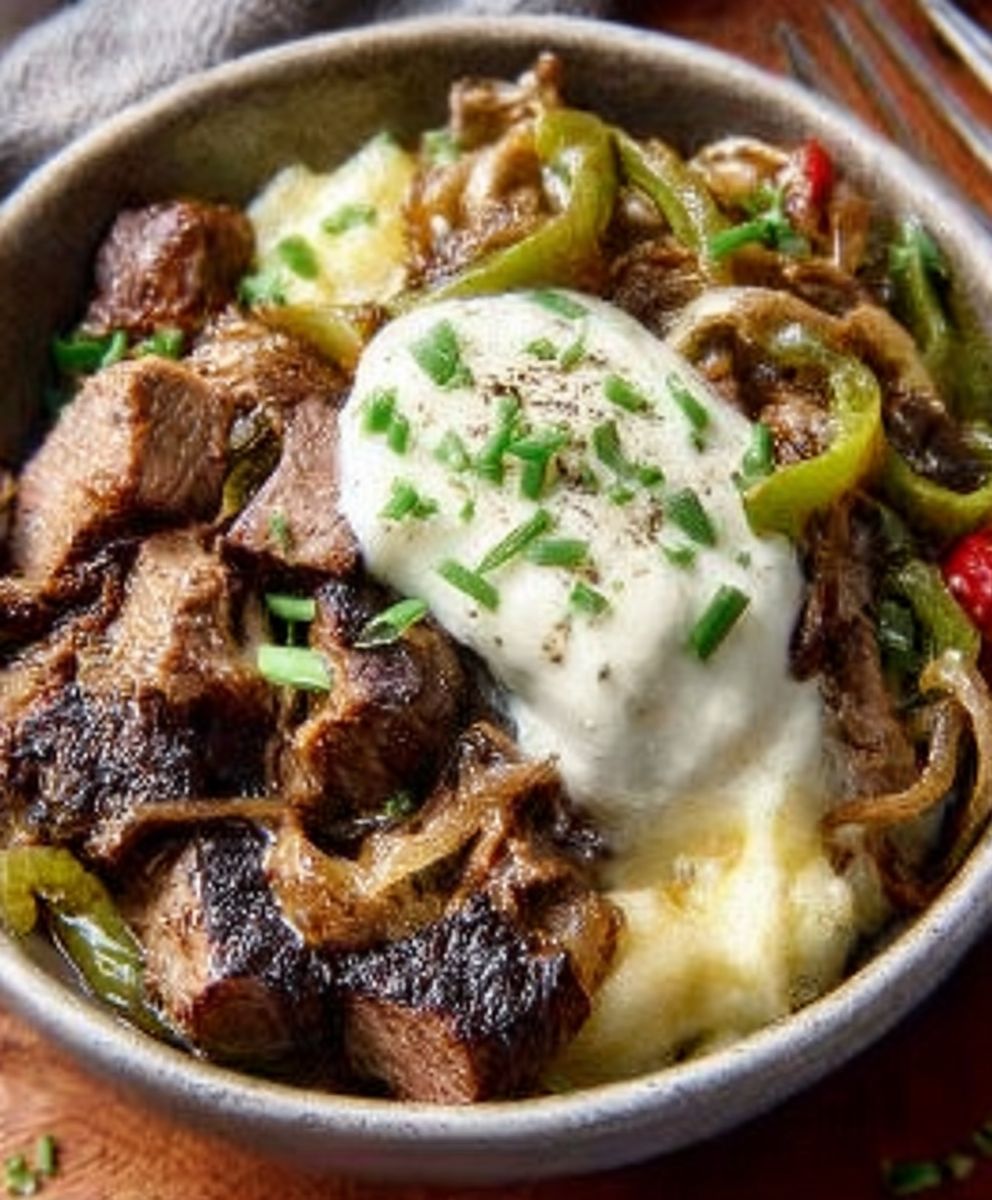
There is a specific kind of culinary catastrophe that occurs when you try to eat an authentic, drippingly cheesy Philly cheesesteak while maintaining any semblance of dignity. It usually involves elbow-deep grease, accidental chest stains, and the realization that all those carbs are about to require a nap. But what if we could capture that epic flavor while keeping things neat, healthy, and delightfully low-carb? That’s exactly why we invented these gloriousPhilly Cheesesteak Bowls – Easy & Low-Carb Dinner.
Imagine thin slices of savory steak, caramelized onions, perfectly tender peppers, and a blanket of melted provolone, all nestled over a bed of crisp greens or cauliflower rice. This dish delivers all the satisfaction of the classic sandwich without the bread-induced coma, making it the ideal weeknight hero when you crave comfort food that actually loves you back.
- These bowls capture the authentic, savory, and cheesy flavor profile of the iconic sandwich, ensuring maximum satisfaction with every spoonful.
- The recipe is designed for swift assembly, moving from prep to plate in less than 30 minutes, perfect for frantic weeknight scheduling.
- Serving the cheesesteak mixture over greens or cauliflower rice creates a vibrant, colorful, and texturally complex dish that looks spectacular.
- This versatile low-carb base allows for easy customization with mushrooms, hot peppers, or different types of cheese, accommodating any pantry preference.
Why We Ditched the Bread: The Genius of the Bowl
Let’s be honest, the best part of a cheesesteak isn’t the roll; it’s the magical, greasy marriage of steak, peppers, and cheese. The roll is merely the transportation device, and sometimes, the transportation device is just too bulky. Switching to a bowl format is not just a low-carb gimmick; it’s a philosophical upgrade. By removing the bread barrier, we elevate the star ingredients—the wonderfully seasoned, thin-cut beef and the sweet, buttery vegetables—to their rightful place in the spotlight.
Think about the last time you ate a traditional cheesesteak. Did you spend more time trying to prevent the filling from escaping the soggy bun than actually enjoying the flavor? The bowl solves this structural integrity issue completely. We swap the heavy bread for a light, nutrient-dense base, usually cauliflower rice or a sturdy spring mix, allowing the melted cheese to mix into the base, creating an incredible sauce. This method turns a notoriously heavy indulgence into a balanced, guilt-free meal, perfect for those monitoring their carbohydrate intake without sacrificing incredible taste. Plus, eating a bowl with a fork is far less likely to result in an emergency laundry session. This simple pivot is what transforms a sandwich into a truly effortless and satisfyingPhilly Cheesesteak Bowls – Easy & Low-Carb Dinnerexperience.
Ingredients for Philly Cheesesteak Bowls – Easy & Low-Carb Dinner
Here’s what you’ll need to make this delicious dish:
- Thinly Sliced Beef Sirloin or RibeyeLook for meat already shaved or ask your butcher to thinly slice it; the key is thinness for that classic, rapid-cooking texture.
- Yellow OnionsThese caramelize beautifully and provide the essential sweetness needed to balance the salty, savory steak mixture.
- Green Bell PeppersThese add a necessary crunch and earthy flavor that is crucial for the authentic Philly taste experience.
- Provolone CheeseThis is the classic choice for melting perfectly over the hot steak, providing a sharp, creamy finish to the dish.
- Avocado or Olive OilUsed for sautéing the vegetables and searing the meat at high heat to achieve crispy edges and tender interiors.
- Garlic Powder and Dried OreganoThese seasonings provide a depth of flavor that complements the beef and vegetable mix without overwhelming the main profile.
- Beef Broth or WaterA small amount helps deglaze the pan and prevents the mixture from drying out while ensuring all those flavorful brown bits are incorporated.
- Cauliflower Rice or Salad GreensChoose a low-carb base like prepared cauliflower rice or mixed greens to serve as the foundation of your satisfying bowl.
The full ingredients list, including measurements, is provided in the recipe card directly below.
How to Make Philly Cheesesteak Bowls – Easy & Low-Carb Dinner
Follow these simple steps to prepare this delicious dish:
Step 1: Prep the Produce and Heat the Pan
Slice the onions and bell peppers thinly into uniform strips to ensure even cooking. Heat a large skillet or cast-iron pan over medium-high heat, adding two tablespoons of oil. Cast iron works exceptionally well for achieving that necessary searing capability, simulating the heat of a flat-top grill.
Step 2: Sauté the Vegetables to Perfection
Add the sliced onions and peppers to the hot pan and sauté for about 8 to 10 minutes. Stir occasionally until they soften, brown slightly, and become delightfully sweet and caramelized. Once tender, transfer the vegetables to a separate bowl and keep them warm while you prepare the beef.
Step 3: Sear the Shaved Beef
Return the pan to high heat and add another tablespoon of oil. When the oil shimmers, quickly add the thinly sliced beef in a single layer if possible, avoiding overcrowding the pan. Season generously with salt, pepper, garlic powder, and oregano. Sear the beef for only 2 to 3 minutes until it is cooked through and slightly browned, tossing rapidly to break up the pieces.
Step 4: Combine and Add the Cheese
Reduce the heat to low and return the sautéed peppers and onions to the pan with the beef. Toss everything together to combine the flavors fully. Create four small mounds of the beef and vegetable mixture in the skillet, ensuring each portion is distinct. Place one slice of provolone cheese over the top of each mound.
Step 5: Achieve Maximum Melt
Pour a splash of beef broth or water around the edges of the pan, which will create steam. Immediately cover the skillet tightly with a lid or a large piece of foil for about 30 seconds to 1 minute. This steam bath melts the provolone into a gooey, magnificent blanket over the steak mixture.
Step 6: Assemble the Low-Carb Bowls
Divide your chosen base—whether steamed cauliflower rice or fresh salad greens—among four serving bowls. Use a spatula to scoop each cheesy mound carefully onto the base. Transfer to plates and drizzle with extra pan juices or a dollop of low-carb mayo for the perfect finishing touch.
Mastering the Perfect Cheesesteak Base (Tips and Variations)
While the process of creating amazing Philly Cheesesteak Bowls is straightforward, mastering the nuances can elevate your meal from ‘good’ to ‘gourmet.’ The primary goal is achieving that tender, yet crispy, beef texture and the deep caramelization of the vegetables, which are the hallmarks of a true cheesesteak. Don’t underestimate the power of high heat; the best results come from fast searing, not slow simmering. If you try to cook the beef and vegetables together initially, you risk stewing the meat, making it tough and grey, instead of beautifully browned. Always cook the components separately and combine them at the very end.
Another common mistake is choosing the wrong base. If you use standard mixed greens, the heat from the steak will wilt them immediately. Opt for sturdier options like crisp romaine, baby spinach, or, for the heartiest low-carb option, steamed and seasoned cauliflower rice. Adding a bit of butter and salt to the cauliflower rice before topping it with the filling mimics the richness the bread usually provides. Remember, the focus here is creating texture contrast: the soft, melted cheese, the yielding vegetables, and the crisp base are all working together to replace the sensation of biting into a chewy roll.
Choosing Your Beef Cut
When makingPhilly Cheesesteak Bowls – Easy & Low-Carb Dinner, the cut of beef truly matters. While traditional recipes often call for ribeye due to its excellent marbling, which keeps the thin slices juicy, sirloin is a leaner, more budget-friendly alternative that works perfectly fine. The absolute most important factor is the thickness, or rather, the thinness. If you cannot find pre-shaved steak, partially freeze a piece of sirloin for about 30 to 45 minutes; this makes it significantly easier to slice paper-thin against the grain using a sharp knife. Thin cuts ensure that the beef cooks almost instantly and achieves that characteristic shredded texture rather than remaining in chewy chunks.
The Secret to Sautéed Onions
The onions and peppers are not mere fillers; they are crucial flavor components. The secret to great cheesesteak vegetables lies in patience and heat control. Use medium-high heat initially, allowing them to sweat down, then reduce the heat slightly to encourage deep caramelization without burning. Adding a tiny pinch of sugar (or a splash of vegetable broth if the pan gets too dry) towards the end of the sautéing process can accelerate the browning and enhance the natural sweetness of the onions, which complements the savory beef profoundly. Overcooked, mushy vegetables ruin the texture, so aim for soft centers and slightly crispy edges.
Storage and Meal Prep Hacks
These cheesesteak bowls are phenomenal for meal prepping, provided you store the components correctly. Never mix the hot steak filling directly with the low-carb base—especially greens—if you plan to eat it later, or you will end up with a watery, sad mess. Prepare the steak, pepper, and onion mixture fully, including the cheese melt, and store this hot filling separately in an airtight container in the refrigerator for up to four days.
For the base, store the cauliflower rice or washed greens separately. When you are ready to eat, simply reheat the filling in a skillet or the microwave until piping hot. Then, spoon the warm mixture over the fresh base. This technique maintains the crispness of the greens and ensures the filling retains its juicy texture, making your low-carb lunch as delicious on day four as it was on day one.
FAQs About Philly Cheesesteak Bowls
Can I use a different type of cheese for this recipe?
Absolutely! While provolone is traditional, Swiss cheese melts beautifully and offers a nice nutty flavor, or you could use a high-quality white cheddar for a sharper taste. Avoid cheeses that don’t melt well, as the gooey texture is essential to the bowl’s success.
How can I make these bowls spicier?
To add heat, incorporate finely diced jalapeños or banana peppers into the vegetable mixture while sautéing them. You can also drizzle the finished bowl with a touch of hot sauce or Sriracha mayonnaise for a quick heat kick.
Are there any good vegetarian substitutes for the beef?
Yes, you can easily adapt this recipe using thinly sliced portobello mushrooms or seitan strips. Cook them exactly as you would the beef, ensuring they are well-seasoned with salt, pepper, and garlic powder to achieve a hearty, umami-rich filling.
What is the best way to reheat the leftover cheesesteak mixture?
The best way to reheat the filling is in a dry skillet over medium heat, stirring frequently until heated through. Alternatively, microwave the filling for 60 to 90 seconds. Avoid adding extra oil during reheating unless the mixture appears very dry.
Ultimately, these Philly Cheesesteak Bowls – Easy & Low-Carb Dinner offer the perfect solution for satisfying massive comfort food cravings without derailing your diet goals. They prove that you truly can have all the flavor and none of the fuss, making this recipe an essential addition to your weekly rotation.
Picture this: you desperately crave the gooey, savory satisfaction of a classic Philadelphia sandwich, but your jeans are currently staging a protest against bread. It’s a tragedy worthy of an opera, but fear not, fellow carb-watchers! We’ve engineered the perfect solution that delivers all the flavor, none of the bread drama. Forget boring salads; we are diving headfirst into the glorious world of a deconstructed classic. This recipe forPhilly Cheesesteak Bowls – Easy & Low-Carb Dinneris the weeknight hero you never knew you needed.
This meal strips away the bulky roll and replaces it with a healthy, flavor-absorbing bed of sautéed vegetables. It maintains the heart and soul of the original: thinly sliced, caramelized beef, sweet onions, bell peppers, and a decadent, melt-in-your-mouth cheese sauce. It’s quick, remarkably simple, and so satisfying that you won’t even miss the hoagie bun waving goodbye from the pantry shelf.
What You Need for the Ultimate Steak Bowl Experience
The beauty of this low-carb dinner lies in its simplicity. You don’t need a massive ingredient list, just quality components that shine brightly when cooked properly. Ensure your beef is thinly sliced, or ask your butcher to do the honors, as this dramatically speeds up cooking time and improves texture.
The Essential Ingredients
- 1.5 lbs thinly sliced ribeye or sirloin steak (shaved steak works perfectly)
- 2 tablespoons olive oil
- 1 large yellow onion, thinly sliced
- 1 green bell pepper, thinly sliced
- 1 cup mushrooms, sliced (optional, but highly recommended)
- Salt and black pepper to taste
- 1 teaspoon garlic powder
- 1/2 cup beef broth
- 8 slices provolone cheese (or your favorite cheese melting blend)
- 4 cups chopped romaine lettuce, spinach, or cauliflower rice (for the bowl base)
Crafting the Creamy Cheese Sauce (Optional but Recommended)
While you can simply lay provolone slices over the top, creating a light cheese sauce ensures maximum coverage and gooey pleasure. If you opt for the sauce, substitute the provolone slices for:
- 4 ounces cream cheese
- 1/4 cup heavy cream
- 1/4 cup shredded Monterey Jack or sharp cheddar cheese
- Pinch of salt and a dash of hot sauce (optional)
Bringing the Bowl to Life: Step-by-Step
Prepping the vegetables and slicing the beef is the hardest part of this entire process. Once that’s done, everything comes together in a magnificent 20-minute dance of sizzle and flavor. We work in stages to ensure everything cooks perfectly without steaming.
Step 1: The Vegetable Sauté Foundation
Heat 1 tablespoon of olive oil in a large skillet or cast iron pan over medium-high heat. Add the sliced onions and bell peppers. Cook for 8–10 minutes, stirring occasionally until they soften and start to caramelize beautifully. If using mushrooms, add them during the last five minutes of cooking. Season lightly with salt and pepper. Remove the vegetables from the pan and set them aside in a separate bowl. This step is crucial for achieving that sweet, tender texture without overcrowding the pan.
Step 2: Searing the Steak
Increase the heat to high. Add the remaining olive oil. When the oil is shimmering, add the thinly sliced steak in a single layer if possible. Cook for 2–3 minutes without stirring to achieve a nice sear. Now, break up the meat and cook for another 2–3 minutes until the beef is fully browned and cooked through. Season the beef generously with salt, pepper, and garlic powder.
Step 3: Creating the Classic Cheesesteak Flavor
Return the cooked vegetables to the pan with the beef. Pour in the 1/2 cup of beef broth. Stir everything together and let the broth reduce slightly, approximately 1–2 minutes. This liquid helps deglaze the pan, picking up all those delicious browned bits, and ensures the mixture remains moist and flavorful.
Step 4: The Cheesy Climax
If you are using the cheese slices, divide the steak mixture into four piles in the pan. Place two slices of provolone on top of each pile. Cover the pan immediately and reduce the heat to low. Let the cheese melt for 1–2 minutes until perfectly gooey. If you are using the creamy sauce, stir together the cream cheese, heavy cream, and shredded cheese in a small saucepan over low heat until smooth, then drizzle it generously over the meat mixture or reserve it for topping the bowls.
Serve the steak mixture immediately over a bed of crisp romaine, spinach, or fluffy cauliflower rice. That’s how you conquer dinner with a fantasticPhilly Cheesesteak Bowls – Easy & Low-Carb Dinner!
Perfecting the Cooking Process

Achieving restaurant-quality results requires timing. Start by fully caramelizing the onions and peppers first, ensuring they develop deep sweetness. Remove them, then sear the beef aggressively on high heat for maximum flavor before combining everything again with a splash of broth to create a moist, savory filling.
Add Your Touch
Feel free to experiment with your base; try zucchini noodles or mashed celery root instead of cauliflower rice. Spice things up by adding a pinch of crushed red pepper flakes to the beef seasoning, or swap provolone for smoked gouda cheese to introduce a richer, smokier profile to your delicious steak bowls.
Storing & Reheating
Store leftover steak filling separately from the greens or cauliflower base in airtight containers in the refrigerator for up to four days. Reheat the filling in a skillet over medium heat or in the microwave. Always add fresh cheese post-reheat for maximum gooeyness and serve over a fresh base for the best texture.
Chef’s Expert Tips for the Best Results
- Never overcrowd the pan when cooking the beef or vegetables; use two pans if necessary to ensure searing instead of steaming the ingredients.
- Slice the steak against the grain and chill it in the freezer for 15 minutes before cutting; this makes those paper-thin shavings much easier to achieve.
- Use high-quality smoked paprika in your seasoning blend to add a deep, subtle smokiness that elevates the overall classic “street food” flavor.
My brother once tried to sneak this filling onto a massive pretzel bun after promising to stick to low-carb eating. He admitted the bowl version tasted better, mostly because he didn’t feel guilty about the second serving!
Why Low-Carb Cheesesteak Bowls Win Dinner
Beyond the undeniable deliciousness, choosing a deconstructed bowl like this simplifies meal preparation dramatically. It’s perfect for meal prepping because the components hold up exceptionally well, ready to assemble quickly during a busy lunch hour. Moreover, focusing on lean beef and nutrient-dense vegetables makes this not just a guilt-free indulgence, but a powerhouse of protein and fiber.
The Benefits of Going Bun-Less
Switching from a traditional large white roll to a vegetable base completely transforms the nutritional profile. It makes this satisfying meal suitable for various dietary needs while naturally increasing your vegetable intake. You still get that satisfyingly messy, savory experience that defines a great cheesesteak, coupled with the speed required for a perfect weeknight dinner.
This approach allows the robust, umami-rich flavor of the beef and the sweetness of the caramelized onions to truly shine, unobstructed by bread. It’s flavor concentration at its finest. If you’re looking for a reliable, family-friendly, and simple low-carb dinner option, this is destined to become a staple in your rotation.
Frequently Asked Questions About These Steak Bowls
How can I make this dish spicier?
To introduce heat, incorporate a pinch of cayenne pepper into your beef seasoning or sauté thinly sliced jalapeños along with the bell peppers and onions. Alternatively, serve the finished bowls with a generous drizzle of sriracha or hot sauce.
Can I use ground beef instead of sliced steak?
While the texture won’t be identical to the classic shaved steak, you absolutely can use ground beef. Brown the ground beef first, drain any excess fat, then proceed with adding the vegetables and broth as instructed in the recipe steps.
What is the best type of cheese for authentic flavor?
Provolone is the standard for classic cheesesteaks due to its melt and mild sharpness. However, many enjoy using a blend of provolone and Monterey Jack for a perfect stretch and balanced flavor in thesePhilly Cheesesteak Bowls – Easy & Low-Carb Dinner.
Are these bowls suitable for meal prepping throughout the week?
Yes, they are excellent for meal prep. Cook the filling completely, store it chilled, and portion it out. When ready to eat, reheat the filling and assemble it fresh over your greens or cauliflower rice base to prevent the base from getting soggy.
I don’t eat beef; what protein can I substitute?
You can easily substitute the beef with thinly sliced chicken breast or turkey tenderloin. Follow the same cooking process, ensuring the poultry is cooked thoroughly before proceeding to the cheese step. The cooking time for poultry might be slightly longer than the thinly shaved steak.
We believe this recipe elevates simple ingredients into a truly memorablePhilly Cheesesteak Bowls – Easy & Low-Carb Dinner, making healthy eating both easy and incredibly delicious.
Conclusion for Philly Cheesesteak Bowls – Easy & Low-Carb Dinner
We’ve officially conquered the ultimate comfort food craving without the bread guilt or the post-meal sluggishness. This genius recipe for Philly Cheesesteak Bowls – Easy & Low-Carb Dinner delivers monumental flavor in minimal time, proving that healthy eating doesn’t require sacrificing satisfaction. The blend of savory, thin-sliced beef, caramelized peppers and onions, and a creamy, rich cheese sauce makes this an unbeatable weeknight solution. It is fast, incredibly fulfilling, and confirms that ditching the high-carb bun doesn’t mean sacrificing the fun. Go ahead, grab your fork, and enjoy the delicious, guilt-free glory of this deconstructed classic!
FAQs
How do I ensure my steak is tender and not rubbery in these Philly Cheesesteak Bowls – Easy & Low-Carb Dinner?
The secret to non-rubbery steak in these incredible bowls lies in preparation and patience. First, slightly freeze your beef before slicing it against the grain—this ensures those paper-thin, melt-in-your-mouth strips we all crave. Second, crank up the heat! Use a screaming-hot skillet and cook the meat quickly, in batches if necessary, to achieve a perfect sear rather than a sad steam. These steps guarantee every bite of your low-carb dinner is savory, tender, and authentic, proving that the Philly Cheesesteak Bowls – Easy & Low-Carb Dinner recipe is simple to master, even without the bun.
What are the best low-carb vegetable additions for this healthy cheesesteak bowl option?
While the classic cheesesteak features caramelized onions and bell peppers, expanding your veggie horizon keeps this low-carb Philly inspired meal exciting and vibrant. Consider adding sliced cremini mushrooms; they absorb the savory beef juices beautifully, adding an earthy depth and fantastic texture. For extra nutritional punch and volume, stir in a handful of fresh spinach or finely chopped kale right at the end of the cooking process. These additions not only keep the carbohydrate count low but also transform the meal into a robust, satisfying bowl that tricks your taste buds into thinking they’re cheating on their diet plan.
Can I prepare the beef and vegetable mixture ahead of time for these easy cheesesteak bowls?
Absolutely, you can streamline your weeknight cooking by prepping components in advance. We highly recommend slicing all your beef and preparing the vegetables the day before; having everything ready makes assembly a breeze when dinner time rushes in. If you insist on cooking ahead, sauté the onions and peppers completely, then refrigerate them in an airtight container. However, for the best texture and flavor, cook the thinly sliced steak strips fresh right before serving. Reheated steak tends to lose its beautiful texture and nobody wants tough chewiness ruining their easy cheesesteak bowls after a long, demanding day.
How can I enhance the cheesy sauce without using highly processed ingredients in my Philly Cheesesteak Bowls?
The cheesy magic is non-negotiable for an authentic experience, even when simplifying the process. To avoid highly processed cheese sauces while making your Philly Cheesesteak Bowls truly sing, start with high-quality sharp Provolone or a blend of Monterey Jack and Cheddar. Create a quick, creamy sauce base by melting a tablespoon of butter, stirring in a touch of cream cheese for richness, and loosening it with a splash of chicken or beef broth. This technique yields a silky, deeply savory coating that clings perfectly to the steak and vegetables, ensuring your deconstructed cheesesteak is both easy and profoundly delicious.
Leave a Comment